Comprehensive protection strategy safeguarding wildlife through community-based surveillance, advanced technology, and intelligence-driven operations
Understanding the threats and importance of robust protection measures
High-value species requiring intensive protection
A stable breeding tiger population requiring apex protection priority.
A strong population of leopards and dhole packs thriving in buffer habitats.
Significant elephant presence across the landscape throughout the year.
High-density prey species supporting the carnivore population.
Major poaching challenges requiring intervention
Ivory trade was a major threat, especially near interstate boundaries where enforcement was challenging
Poaching for meat was prevalent in fringe villages, depleting prey base populations
Interstate boundaries with Karnataka and remote fringe villages were high-risk areas
The buffer zone's significant wildlife population and historical poaching threats make robust anti-poaching measures an absolute priority for conservation success. Zero-tolerance approach has been adopted since 2019, achieving unprecedented protection results.
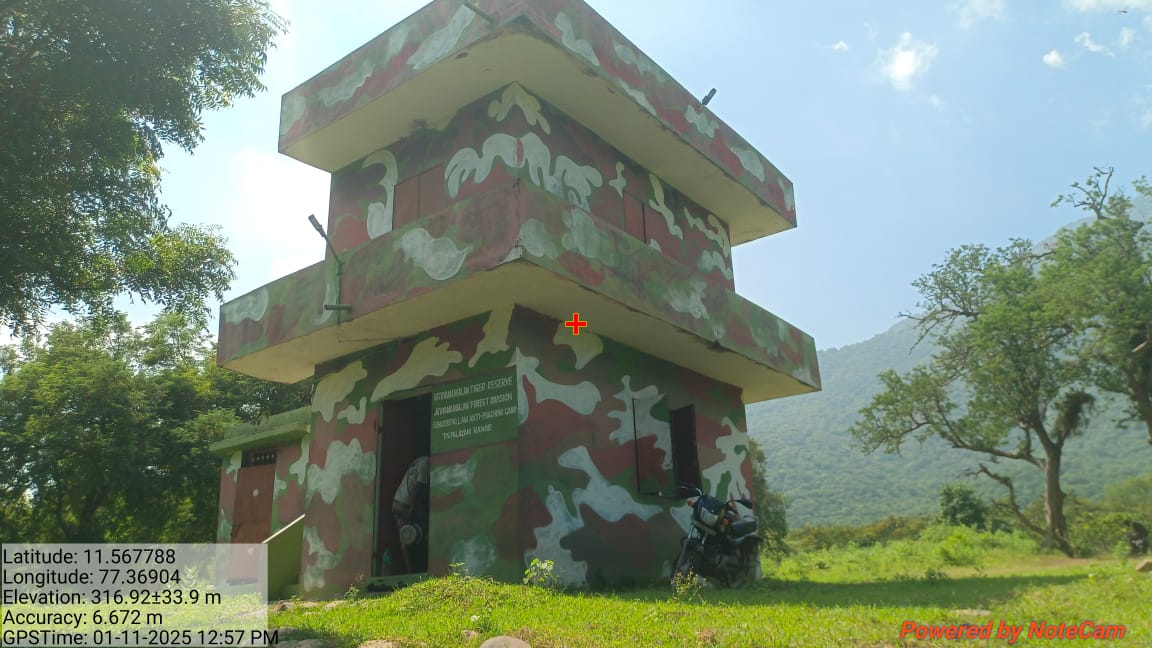
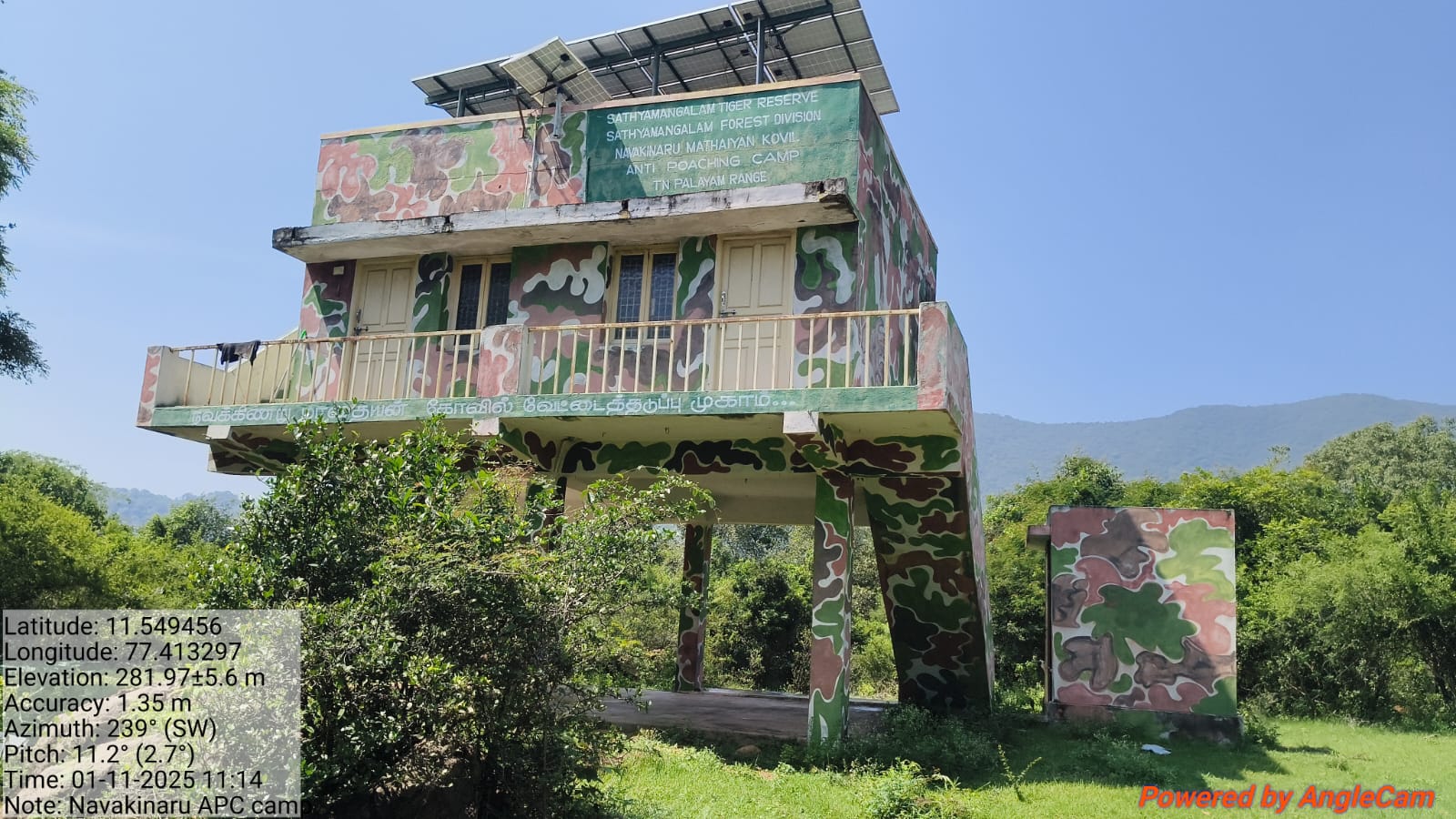
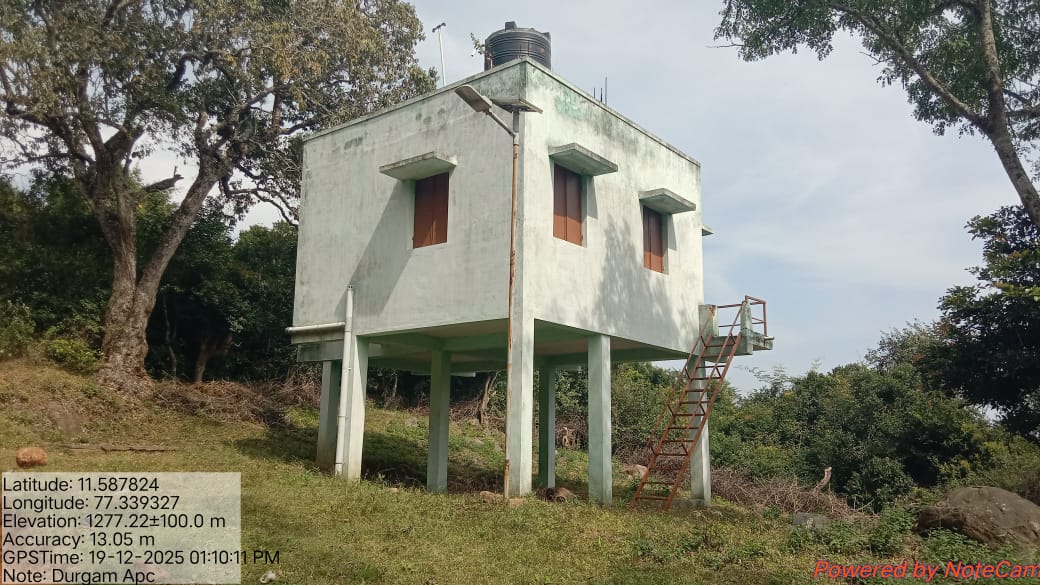
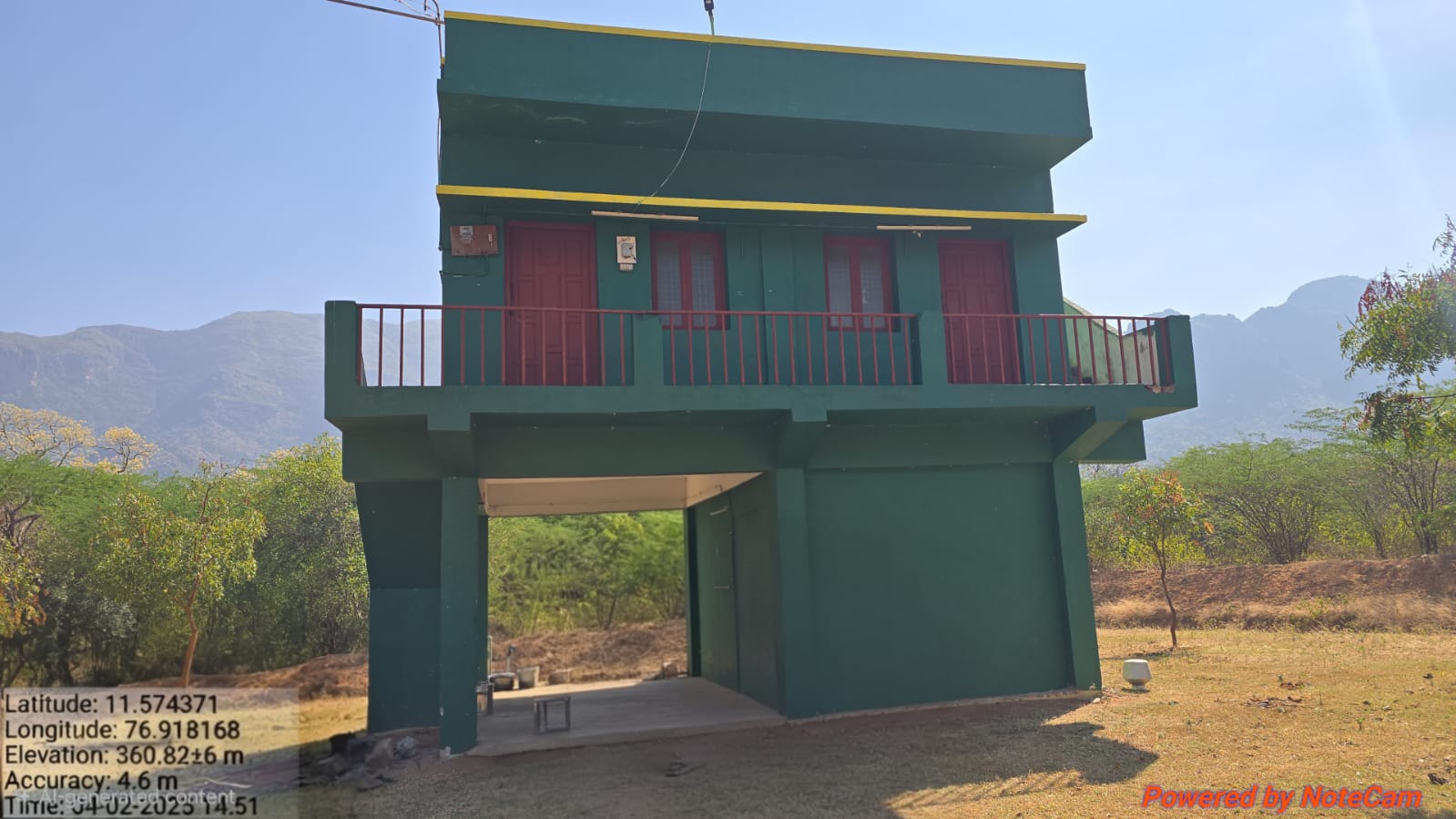
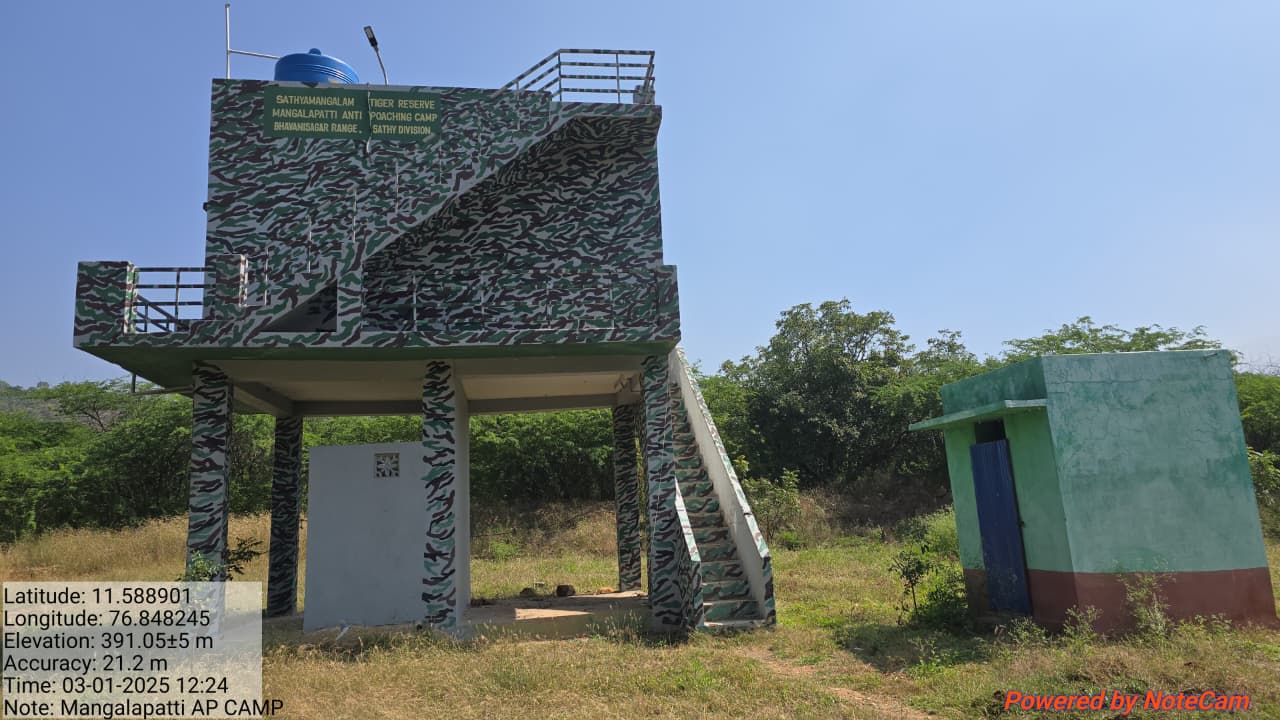
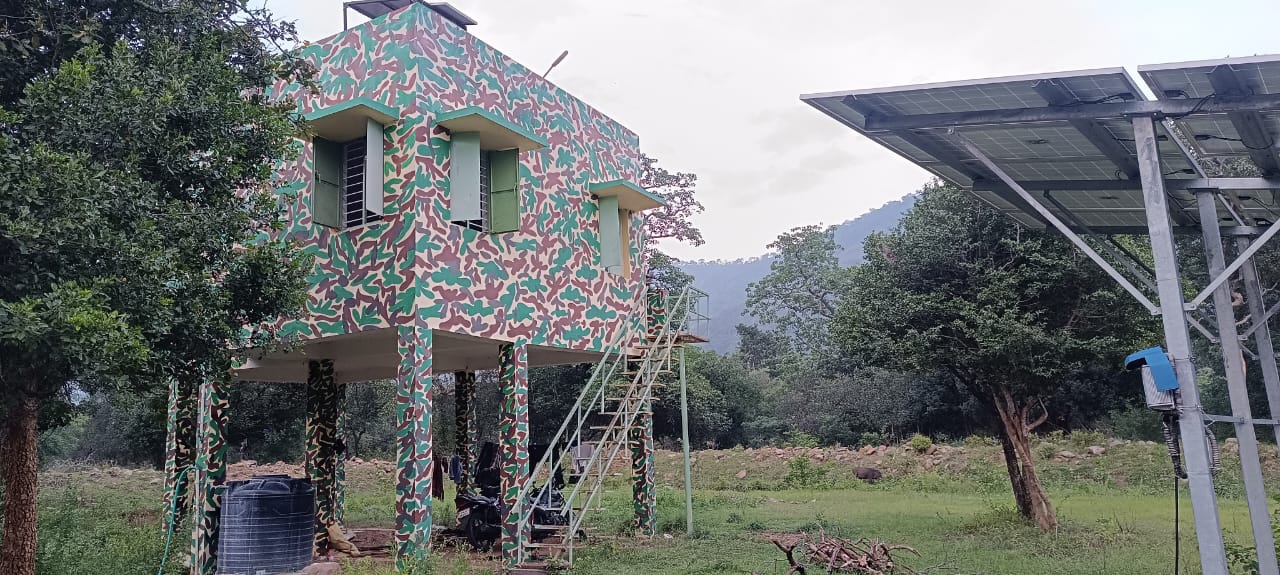
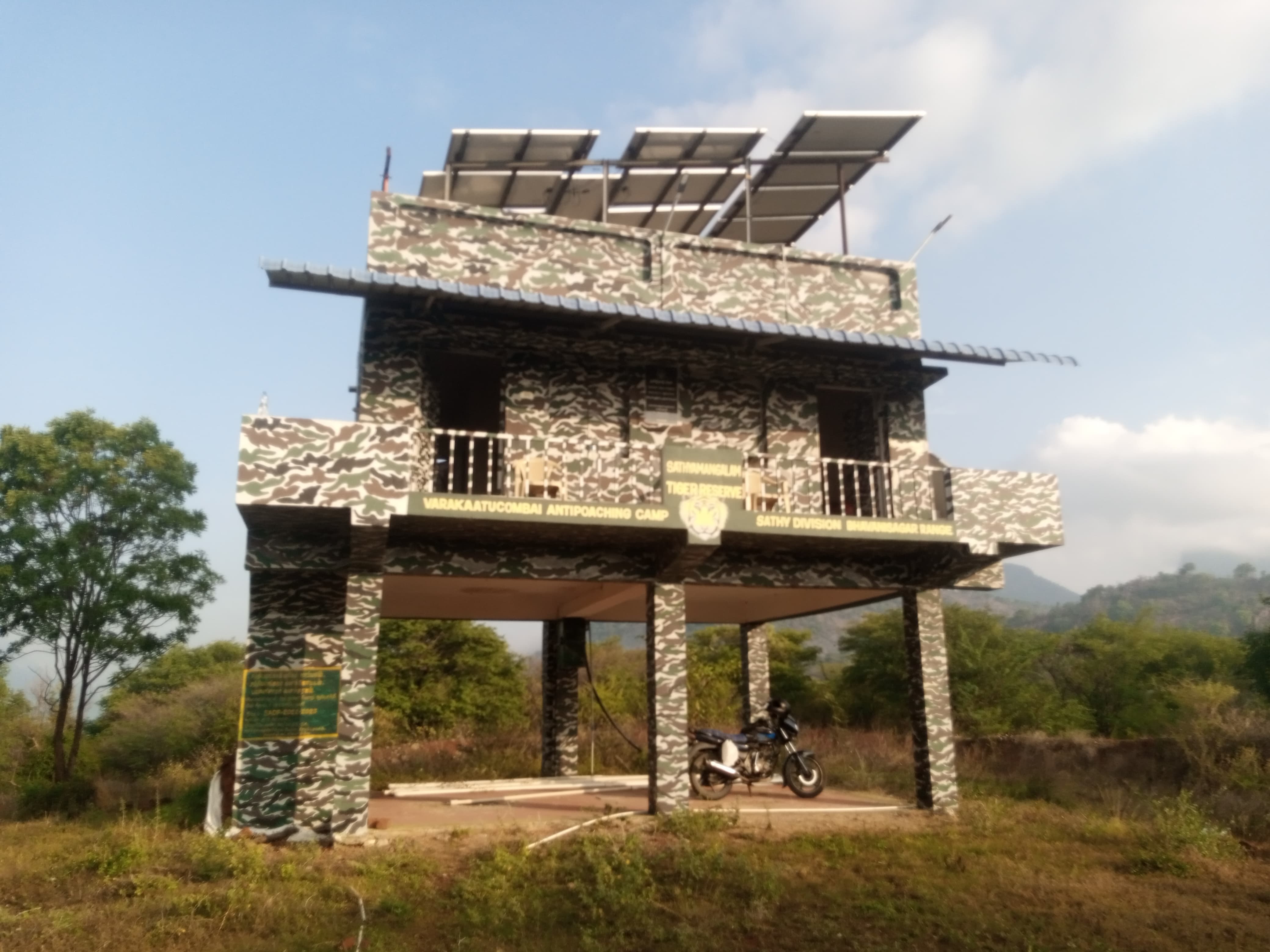
Strategic deployment of camps across buffer zone for comprehensive coverage
Located across core and buffer zones
Positioned at vulnerable points and interstate boundaries
Round-the-clock surveillance and protection
Anti-Poaching Watchers recruited from nearby villages
Sustainable income for 60+ families
Local guardianship creating social fence
| Division | Camps | Total |
|---|---|---|
| Sathyamangalam | 25 |
54
|
| Hasanur | 29 |
| Division | Sanctioned | On Roll |
|---|---|---|
| Sathyamangalam | 120 | 101 |
| Hasanur | 99 | |
APWs act as frontline defenders against poachers. Their local terrain knowledge helps in identifying suspicious activity and supporting covert or overt operations. They are regularly patrol their assigned areas. Their patrol tracks are digitally recorded with M-STrIPES application.
They are part of "smart patrolling" efforts: this includes coordinating with other forest staff and using communication systems. During bi-annual surveys (pre-monsoon and post-monsoon), APWs join teams (with guards and forest watchers) to collect ecological data.
They help record: pug marks, dung, carcasses, bark peelings, vegetation (grass, herbs, tree species), etc.
Daily monitoring of assigned territories
M-STrIPES patrol tracking system
Bi-annual survey participation
Regular salary for watchers
Food supplies for staff
Vehicle & generator fuel
Uniforms & equipment
Solar & electric systems
Tanks & supply systems
Building repairs
Approach paths
Plans are underway to increase the number of anti-poaching camps to strengthen protection coverage across vulnerable zones and remote areas, ensuring comprehensive wildlife security throughout the buffer zone.
Sanctioned strength across core & buffer zones
Dedicated patrol teams assigned at each camp
Year-round protection operations
NTCA guidelines and SMART (M-STrIPES) patrolling model implementation
Regular foot patrols with systematic beat coverage and continuous surveillance of assigned territories.
Coordinated operations with police and territorial forest staff for enhanced enforcement capability.
Strategic monitoring of key roads and highways passing through or adjacent to reserve areas.
Enhanced check-post operations at strategic entry and exit points for comprehensive monitoring.
Advanced wireless and GPS-based communication systems for real-time coordination and response.
Collaborative operations with Karnataka Forest Department for seamless border area protection.
Monitoring System for Tigers - Intensive Protection and Ecological Status: A digital platform for systematic patrol data collection, analysis, and evidence-based protection planning.
Real-time patrol route monitoring
Systematic wildlife sighting records
Threat assessment and planning
Automated reports and insights
Comprehensive facilities and equipment for frontline protection staff
Seasonal clothing sets
Terrain-appropriate footwear
Patrol equipment bags
High-power LED lights
Location tracking units
Mobile connectivity
Off-road motorcycles for rapid response and patrol mobility in remote areas
Regular fuel supply for patrol vehicles and emergency response units
Regular servicing and repair support for all vehicles and equipment
Specialized unit for intelligence gathering and wildlife crime prevention
(WICCU)
Dedicated specialized unit formed exclusively for intelligence collection, crime prevention, and coordinated enforcement operations against wildlife crimes.
Enhanced monitoring of villages bordering reserve
Special attention to Karnataka border areas
Profiling and tracking of known poachers
Cash rewards for credible intelligence
Confidentiality and safety guaranteed
Anonymous reporting mechanisms
Through intensive intelligence operations and community cooperation, Sathyamangalam Tiger Reserve has achieved zero poaching incidents since 2019, demonstrating the effectiveness of the WICCU approach.
Your support can help strengthen anti-poaching infrastructure and community guardianship programs